
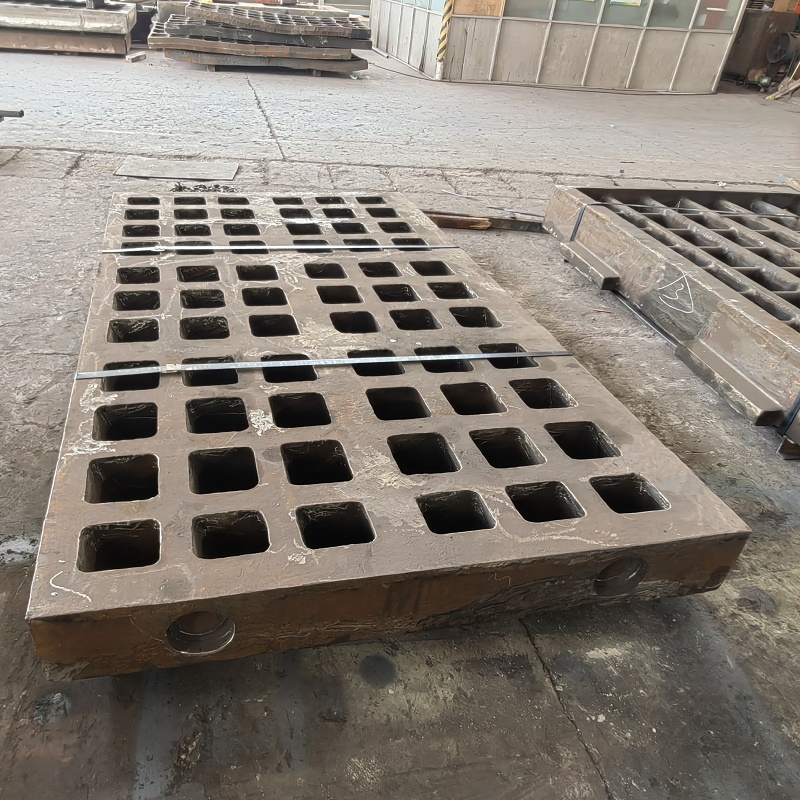
Ferrous alloys form the backbone of numerous industrial applications due to their outstanding mechanical properties, durability, and versatility. As industries advance and the demand for materials with superior wear resistance and longevity increases, understanding the different types of ferrous alloys and the enhanced solutions available becomes crucial for manufacturers and end-users alike.
Ferrous alloys primarily consist of iron combined with various elements to improve their performance characteristics. Their composition often determines their strength, toughness, ductility, and resistance to wear, corrosion, and temperature. This article delves into the major types of ferrous alloys and introduces innovative materials engineered to extend service life in demanding applications.
### Types of Ferrous Alloys
1. **Carbon Steel**
Carbon steel is the most common and widely used ferrous alloy, characterized by its iron and carbon composition. The carbon content typically ranges from 0.02% to 2.1%, influencing the hardness and strength of the alloy. Low carbon steels (mild steel) are highly ductile and used in structural applications, while high carbon steels are harder and more brittle, suited for tools and cutting instruments.
2. **Alloy Steel**
Alloy steels are iron-based materials alloyed with elements such as chromium, nickel, molybdenum, and vanadium to enhance mechanical properties. These steels offer improved hardness, strength, wear resistance, and corrosion resistance compared to carbon steels. They are widely used in automotive components, pipelines, and heavy machinery where high performance is essential.
3. **Manganese Steel (Mn Steel)**
Manganese steel, also known as Hadfield steel, contains a high percentage of manganese (around 11-14%). This alloy is renowned for its exceptional toughness and high impact strength. Unique among steels, manganese steel becomes harder with impact or shock loading, making it ideal for wear-resistant applications like rock crushers, railroad tracks, and heavy-duty mining equipment.
4. **Hi‐Cr Iron (High Chromium Iron)**
High chromium cast irons contain a significant amount of chromium (often 12-30%), which imparts excellent hardness and corrosion resistance. They feature superior abrasion resistance, making them suitable for applications involving high wear and corrosion such as pump parts, slurry handling equipment, and industrial lining materials.
Each of these types of ferrous alloys is selected depending on the specific needs of the application, whether it is structural integrity, wear resistance, toughness, or resistance to environmental conditions.
### Advanced Wearing Solutions: Enhancing the Life Span of Ferrous Alloys
While standard ferrous alloys deliver reliable performance, many industrial environments subject materials to extreme wear and tear, abrasion, and impact, necessitating more advanced solutions to reduce downtime and maintenance costs.
Leading material suppliers now offer tailored wearing solutions that incorporate sophisticated materials such as Titanium Carbide (TiC), ceramics, and chromium insertions within the alloy matrix to significantly enhance the wear resistance and life span of components.
- **Titanium Carbide (TiC) Inserted Alloys**
Titanium Carbide is an extremely hard ceramic compound used to reinforce steels and irons. Alloys with TiC insertions exhibit superior abrasion resistance due to the hardness and chemical stability of TiC particles. These alloys are highly effective in applications involving abrasive powders, ore crushing, and industries where materials are subject to severe abrasion.
- **Ceramic Inserted Alloys**
Ceramic materials offer excellent hardness and thermal resistance. When integrated into ferrous alloys, ceramics dramatically improve wear resistance without substantially increasing the brittleness of the parent metal. This blend is essential for extending the operational life of components subject to repetitive high-impact wear or sliding abrasion.
- **Chromium (Cr) Inserted Alloys**
Chromium additions enhance corrosion resistance and hardness. When chromium carbides form within an iron matrix, the resulting composite improves surface wear resistance while maintaining the ductility needed for impact tolerance. Cr-inserted alloys find extensive application in harsh chemical environments and mining industries.
### The Role of Expertise in Delivering High-Quality Alloy Solutions
Developing alloys with enhanced wear life requires a deep understanding of metallurgical principles and industrial demands. Customization is key, as no single material solution fits all scenarios. Leading manufacturers in the alloy industry provide not only standard manganese steel, high chromium iron, alloy steel, and carbon steel but also tailor-made solutions incorporating TiC, ceramic, and chromium insertions.
Such bespoke solutions are achievable through advanced processing techniques that control particle distribution, matrix composition, and heat treatment. The goal is to deliver parts and components that outperform standard materials in longevity, performance, and cost-efficiency.
### Industrial Applications Benefiting from Advanced Ferrous Alloys
Industries such as mining, construction, power generation, cement, and material handling rely heavily on ferrous alloys with tailored wear resistance. Conveyor liners, crusher parts, grinding media, and dump truck bodies are typical components requiring alloys that combine toughness with extreme wear resistance.
With the advancement in alloy technology and the integration of superior reinforcing materials, companies are able to extend maintenance intervals, reduce equipment failures, and boost overall productivity.
### Conclusion
Ferrous alloys continue to be indispensable across a vast array of industries. Understanding the distinct categories—carbon steels, alloy steels, manganese steels, and high chromium irons—and their properties paints a clear picture of how metal selection impacts performance. Moreover, the advent of specialized wearing solutions featuring TiC, ceramic, and chromium insertions represents a new frontier in alloy development, offering extended lifespan and durability under severe service conditions.
As industries demand more from their materials, partnering with manufacturers that provide both standard alloys and customized wear-resistant solutions is essential. This synergy of expert metallurgy and innovative material design ensures that infrastructure and equipment operate efficiently, safely, and economically over extended periods.
---
This comprehensive overview underscores the vital role ferrous alloys play in modern industry and highlights the importance of advanced, tailored solutions to meet evolving demands for wear resistance and component longevity.